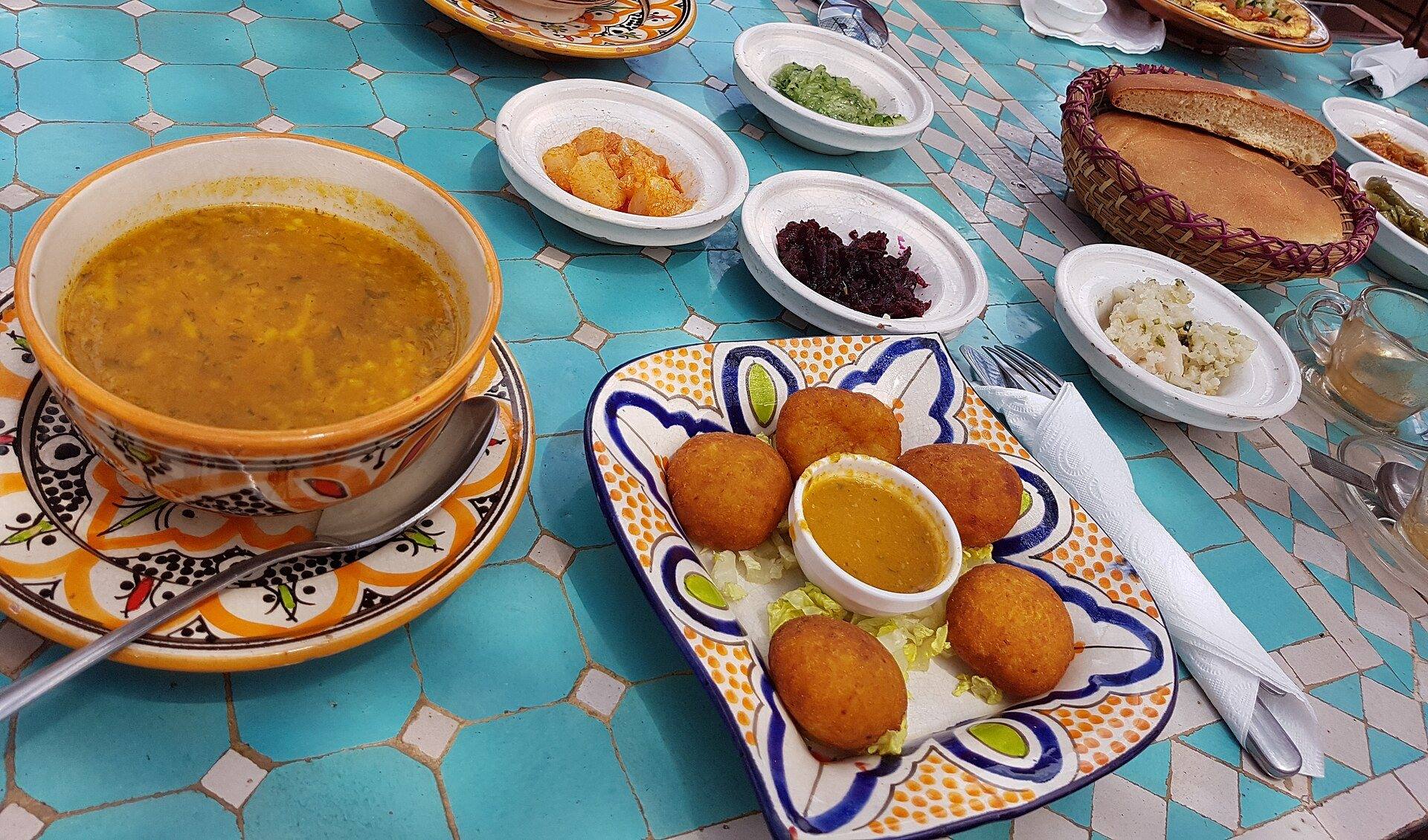
3 to 4 hours, including the meal
Traditional Moroccan Cooking Class
Learn a complete Moroccan meal, from cooked salads to a slow-simmered tagine, with a local chef or home cook, then sit down to eat what you have made.
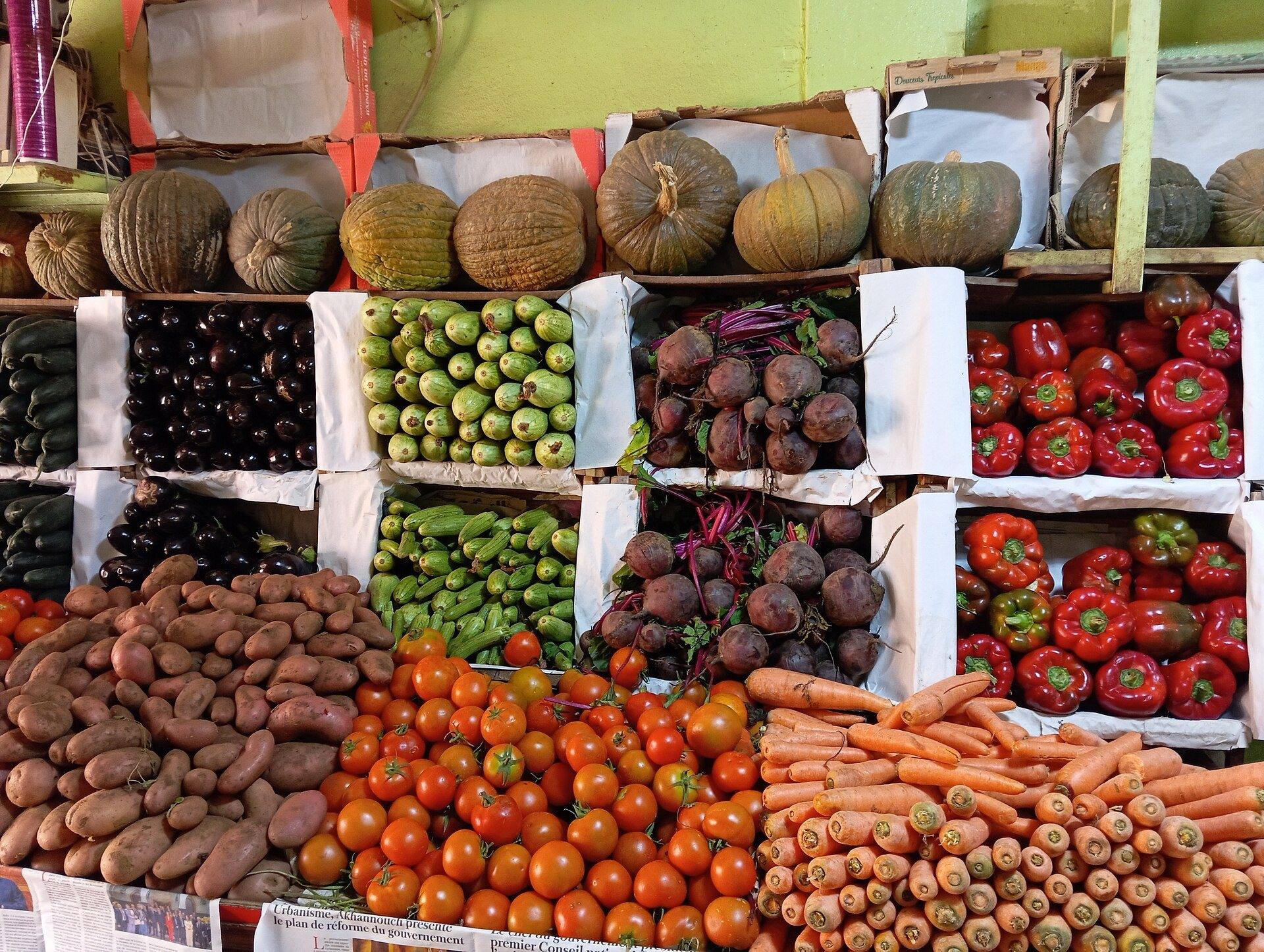
Moroccan culinary experience
Start where Moroccan cooks start: at the market, choosing the vegetables, herbs and spices for your meal.
About this experience
Moroccan cooking begins with the market. Cooks shop often, buy what is in season and know their butcher, spice seller and vegetable stall by name. Visiting a market with a local cook is the best way to understand the ingredients before you use them.
This experience combines a guided walk through a local market with a hands-on cooking class. You will see how produce is chosen, learn the names of herbs and spices, and then cook a meal with what you have bought. Yes, you can visit a Moroccan food market with a local chef, and it is often the highlight of the day.
The experience
Every host has their own style, but most experiences follow a similar rhythm.
Visit produce stalls, spice sellers, olive vendors and bakeries with your host, who explains what is in season.
Help select vegetables, herbs and spices for the menu.
Return to the kitchen to prepare salads, a tagine or couscous and bread.
Finish around the table, often with mint tea.
On the menu
Menus depend on the season, the host and your preferences. These are dishes often taught in this experience.
Built around the best vegetables and meat or fish of the day.
Zaalouk, taktouka, carrot salad with cumin and more.
A herb, garlic, lemon and spice marinade used for fish and vegetables.
How they are made and how they are used in the kitchen.
Cultural context
Moroccan cities have permanent markets inside the medina as well as covered municipal markets, while rural areas are served by weekly souks named after the day they are held. Each is a window into what people eat and how they shop.
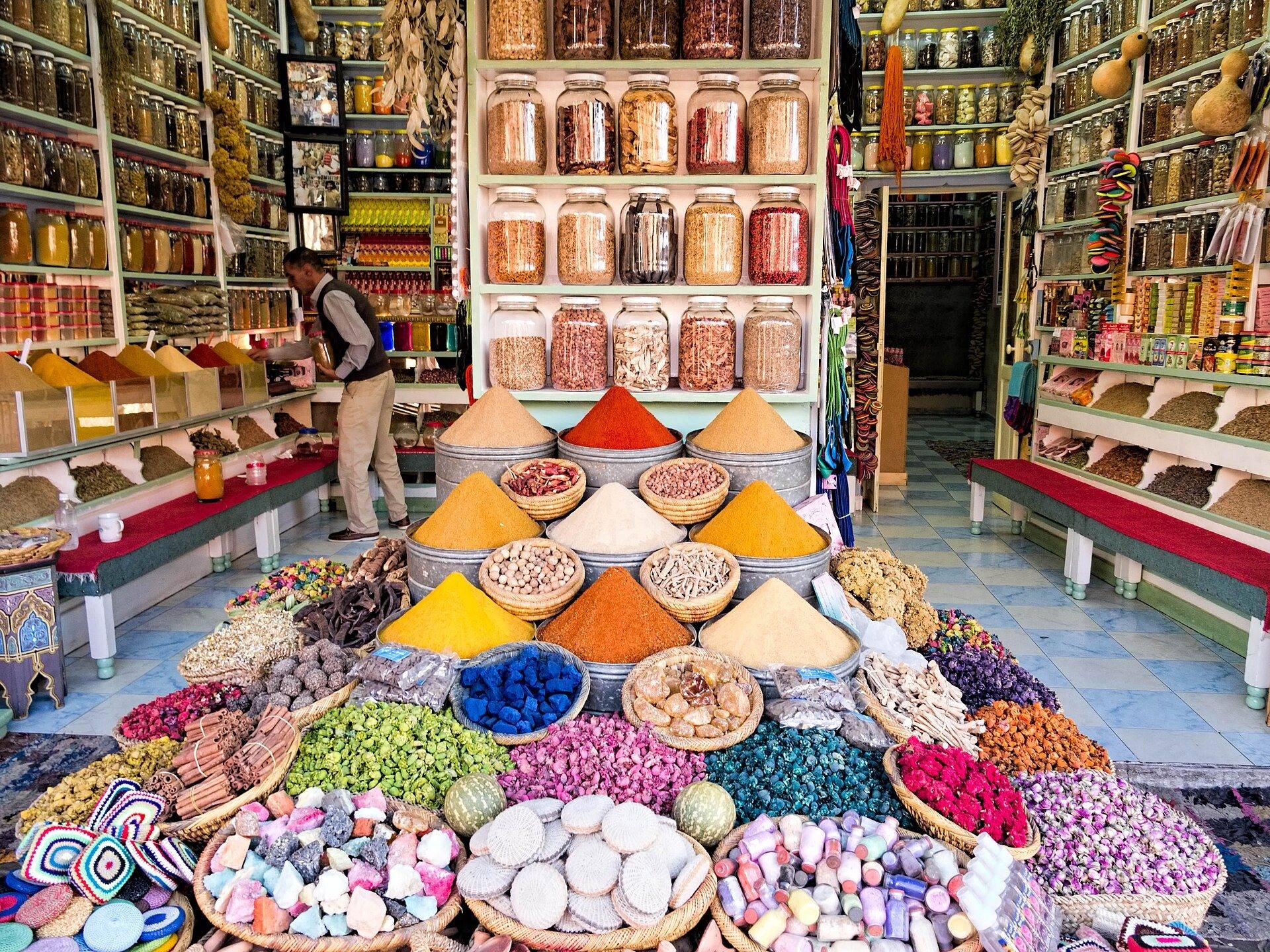
Spice shops are worth a slow visit. You will find ras el hanout, the house blend that can contain dozens of spices, alongside saffron, cumin, dried rosebuds and natural products such as argan oil and black soap.
How long it takes
Typically 4 to 5 hours, market included
Indicative only. Market days and opening hours vary, so we plan the timing around your dates.
Who it is for
Where
Availability depends on the season, the day of the week and our local partners in each city. Tell us your dates and we will confirm what is possible.
Good to know
Yes. In several cities we can arrange a market visit with your cook before the class. Availability depends on the city and day, so tell us your dates.
Markets can be busy and uneven underfoot, especially in old medinas. Let us know about mobility needs and we will look for the most comfortable option.
Usually there is a moment to buy spices or other ingredients. Your host can explain what travels well.
Plan your experience
Tell us where and when you would like to cook. We will contact suitable local partners, check availability and send you a personalised offer with the final price.
Request a personalized experience
Share a few details and we will prepare your message to our team. We will contact suitable local partners, check availability and send you a personalised offer. It is free and there is no obligation.
Nothing opened? Write to us at [email protected].
You may also enjoy
3 to 4 hours, including the meal
Learn a complete Moroccan meal, from cooked salads to a slow-simmered tagine, with a local chef or home cook, then sit down to eat what you have made.
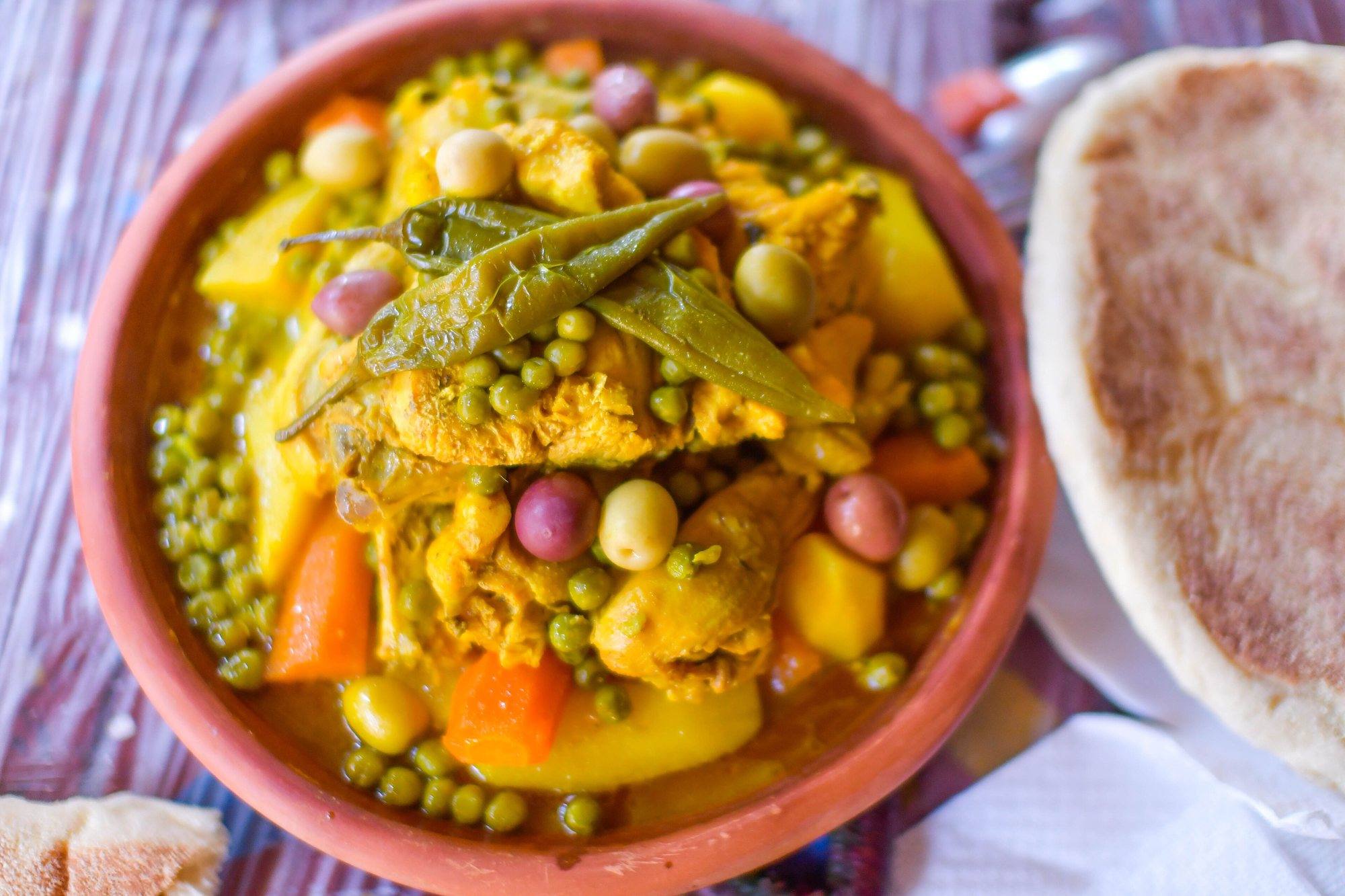
3 to 4 hours
Master Morocco’s signature slow-cooked dish: layering meat or vegetables, spices and aromatics in a clay tagine and letting time do the rest.
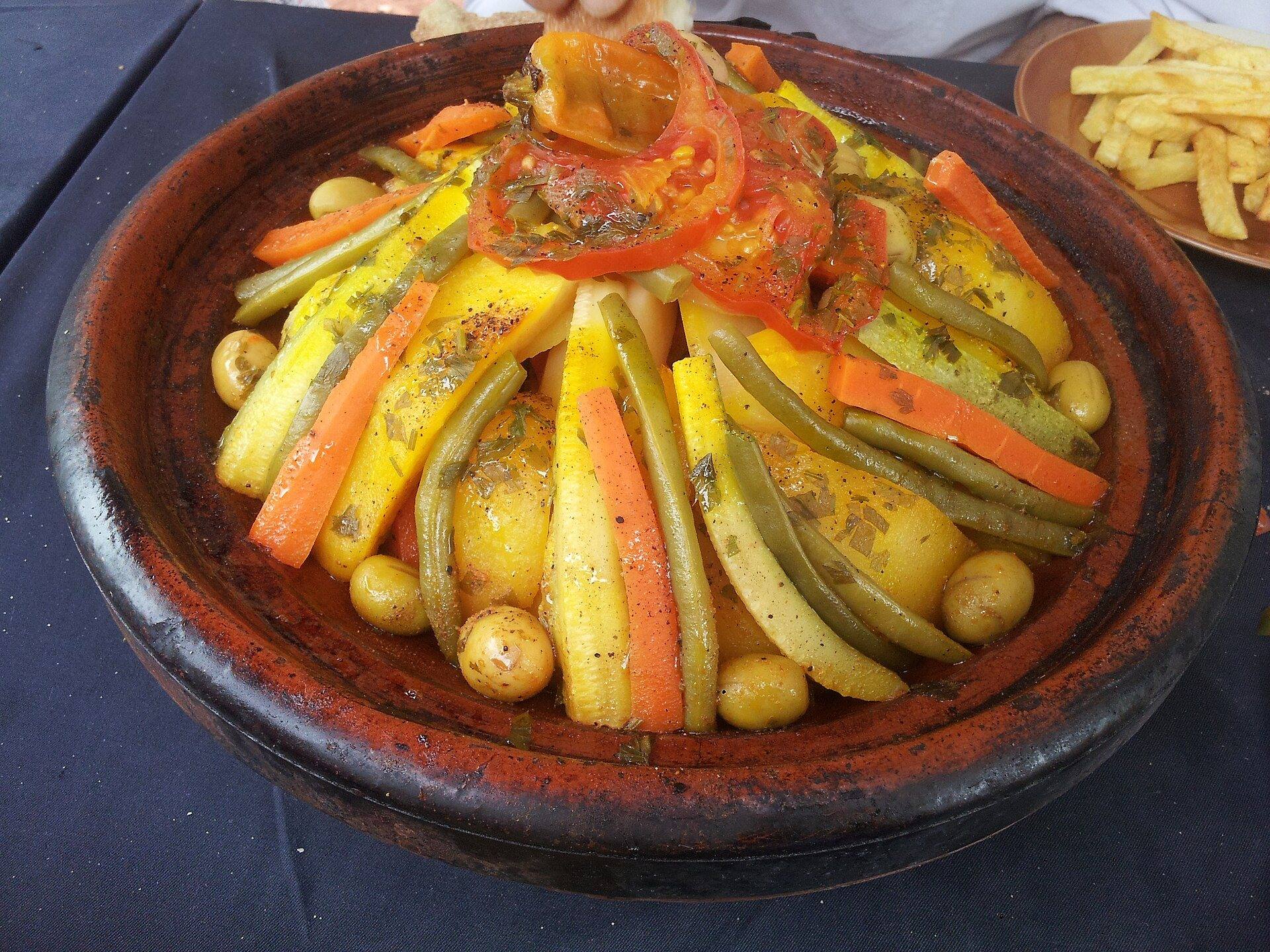
3 to 4 hours
Discover the rich vegetarian side of Moroccan cooking: vegetable tagines, cooked salads, lentils, chickpeas and herb-filled dishes.