3 to 4 hours
Tagine Cooking Class
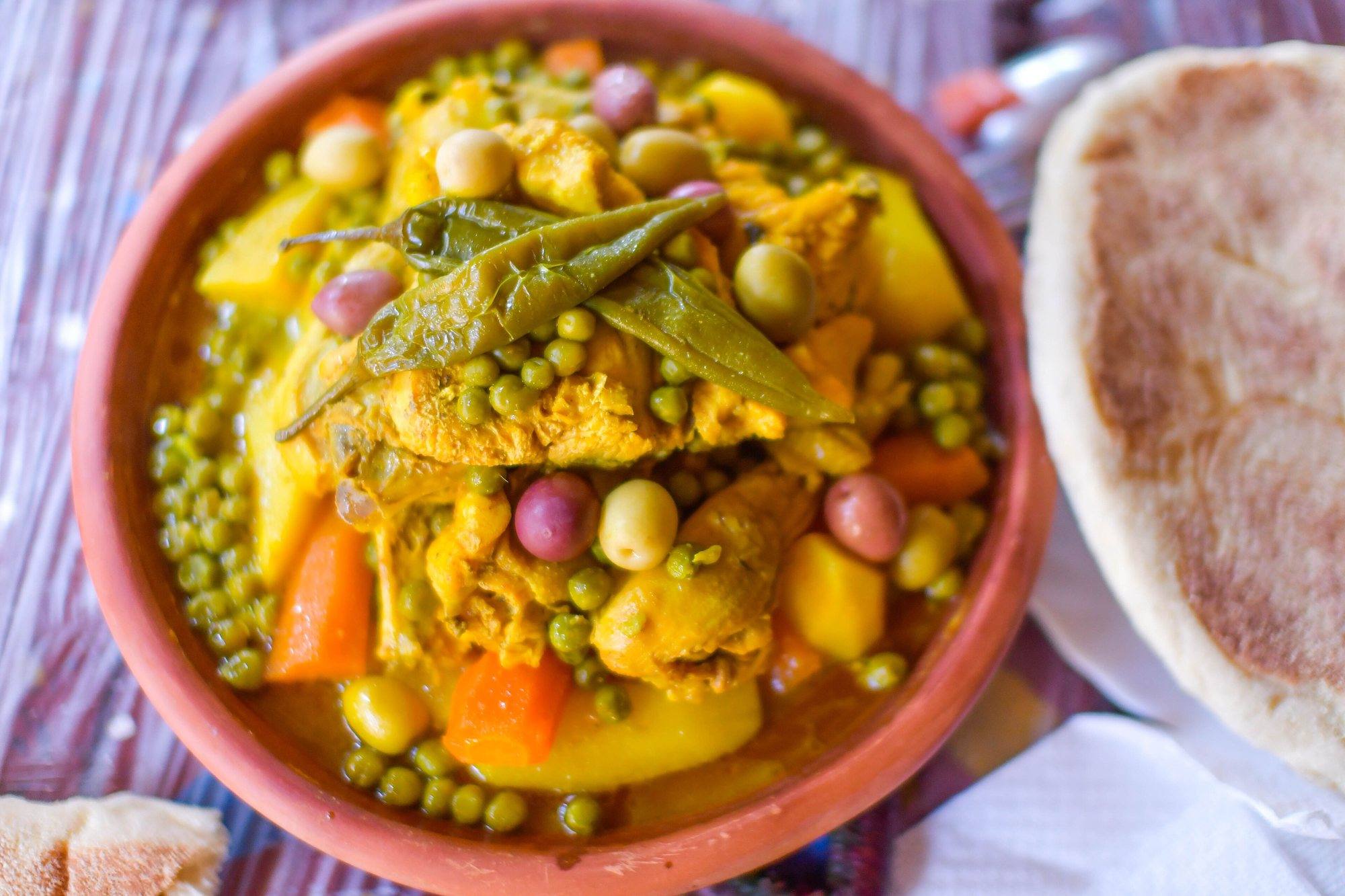
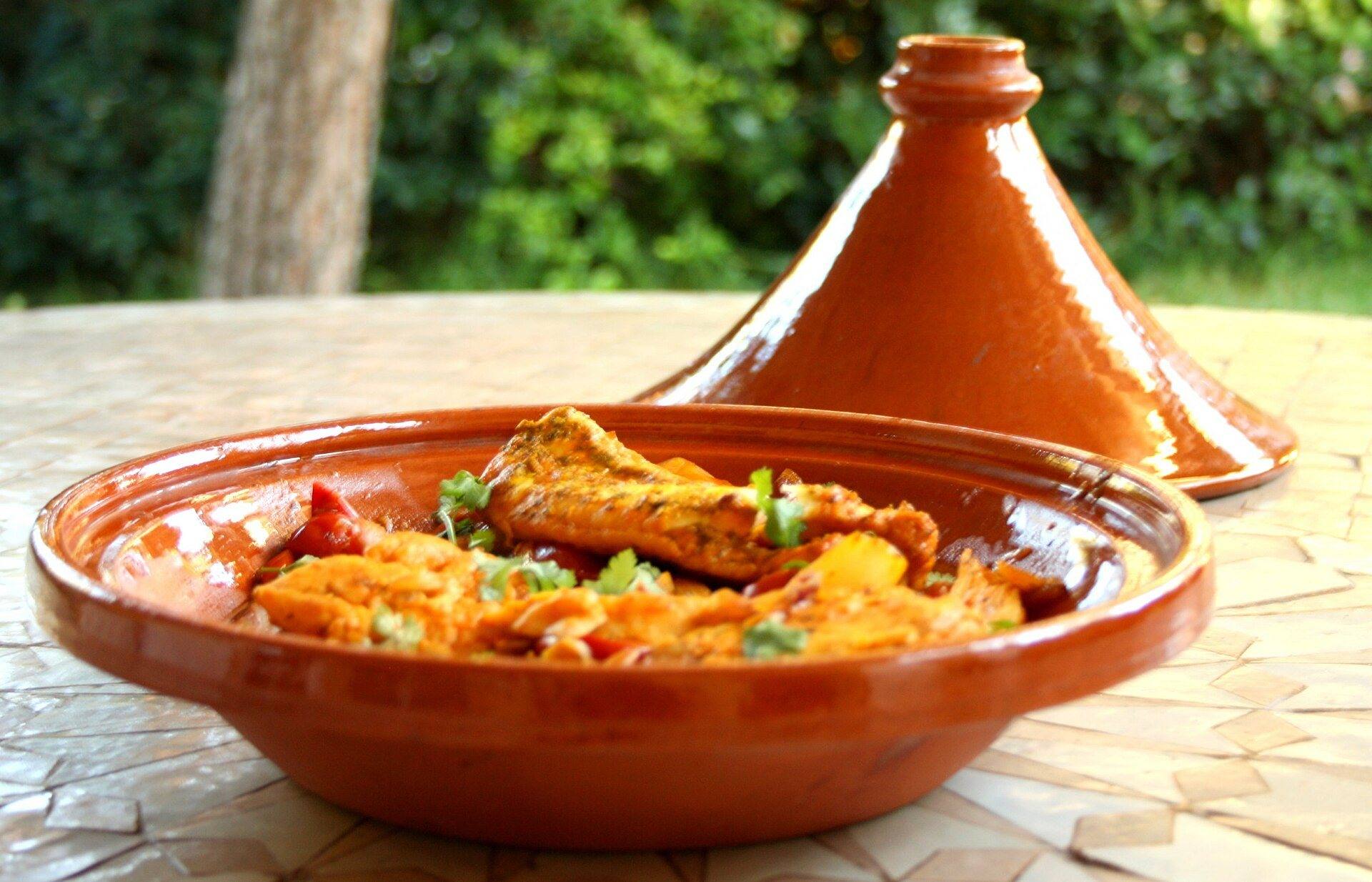
Master Morocco’s signature slow-cooked dish: layering meat or vegetables, spices and aromatics in a clay tagine and letting time do the rest.
Moroccan culinary experience
Spend a few hours in a Moroccan kitchen learning the dishes families actually cook, then share the meal you have prepared together.
About this experience
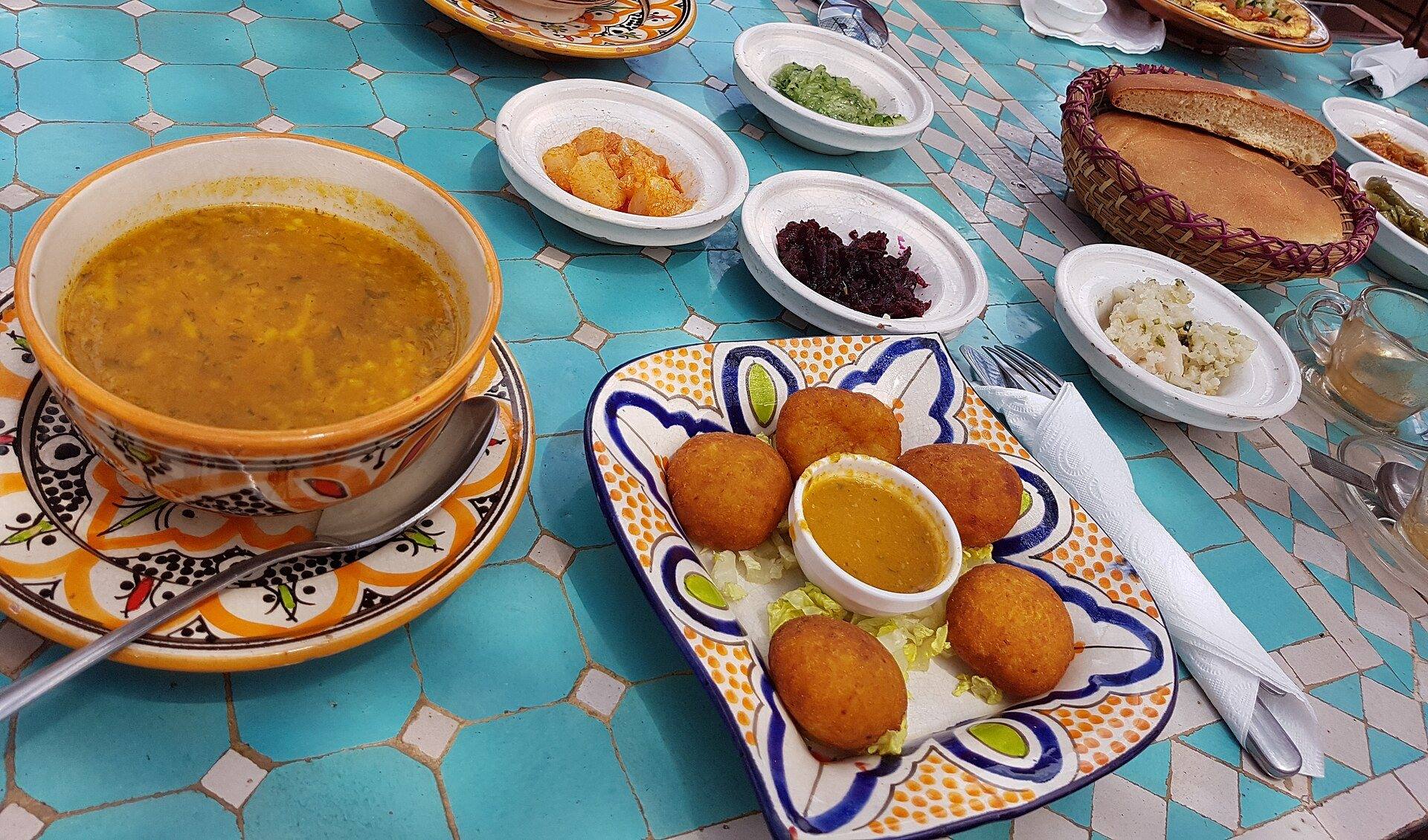
A traditional Moroccan cooking class is the most complete introduction to the country’s food. Rather than focusing on a single dish, you cook a small menu the way it would be served at home: a selection of cooked salads, a main dish such as a tagine, and often something sweet or a round of mint tea to finish.
Classes take place in cooking schools, family homes and riad kitchens, depending on the city and the style you prefer. Whichever setting you choose, the aim is the same: to understand how Moroccan cooks build flavour with spices, slow cooking and fresh produce, and to leave with recipes you can make again at home.
The experience
Every host has their own style, but most experiences follow a similar rhythm.
Most classes begin with tea and a conversation about the dishes, the ingredients of the season and any dietary needs in the group.
You smell, taste and measure the spices that define Moroccan cooking, such as cumin, ginger, sweet paprika, turmeric, cinnamon and saffron, and learn when each one goes in.
Working at your own station or alongside the cook, you chop, season and assemble each dish, with plenty of time for questions.
The class ends at the table, eating the meal you have cooked. Many hosts share printed or emailed recipes afterwards.
On the menu
Menus depend on the season, the host and your preferences. These are dishes often taught in this experience.
A classic for good reason, and a lesson in balancing sour, salty and savoury.
Cooked aubergine and tomato-pepper salads, served warm or at room temperature.
The hearty tomato, lentil and chickpea soup closely associated with Ramadan.
Spiced meatballs simmered in tomato sauce, often finished with eggs.
Round Moroccan bread, shaped by hand and baked until golden.
A simple, fragrant dessert that closes many Moroccan meals.
Cultural context
Moroccan cuisine brings together Amazigh (Berber), Arab, Andalusian, Jewish and Mediterranean influences, and much of that knowledge has been passed down in family kitchens rather than written recipes. Measurements are often by eye and by hand, which is why cooking alongside someone teaches more than any cookbook.
Meals are traditionally shared from a central dish, with bread used to scoop up sauce. The Friday couscous, the salads that open a meal and the tea that closes it are all part of a rhythm you will see during a class.
How long it takes
Typically 3 to 4 hours, including the meal
Indicative only. Half-day and longer formats are possible depending on the host.
Who it is for
Where
Availability depends on the season, the day of the week and our local partners in each city. Tell us your dates and we will confirm what is possible.
Good to know
No. Classes are designed for complete beginners as well as confident home cooks, and hosts adapt the pace to the group.
You usually start with tea and an introduction to the menu and spices, then prepare two to four dishes with your host, and finish by eating the meal together. Some classes also include a market visit beforehand.
Usually, yes. Tell us about vegetarian, vegan, gluten-free or allergy requirements when you inquire so we can choose a host who can accommodate them.
The price depends on the city, the season, the group size and whether the class is shared or private. We send you a clear final price in your personalised offer before anything is confirmed.
Plan your experience
Tell us where and when you would like to cook. We will contact suitable local partners, check availability and send you a personalised offer with the final price.
Request a personalized experience
Share a few details and we will prepare your message to our team. We will contact suitable local partners, check availability and send you a personalised offer. It is free and there is no obligation.
Nothing opened? Write to us at [email protected].
You may also enjoy
3 to 4 hours
Master Morocco’s signature slow-cooked dish: layering meat or vegetables, spices and aromatics in a clay tagine and letting time do the rest.
4 to 5 hours, market included
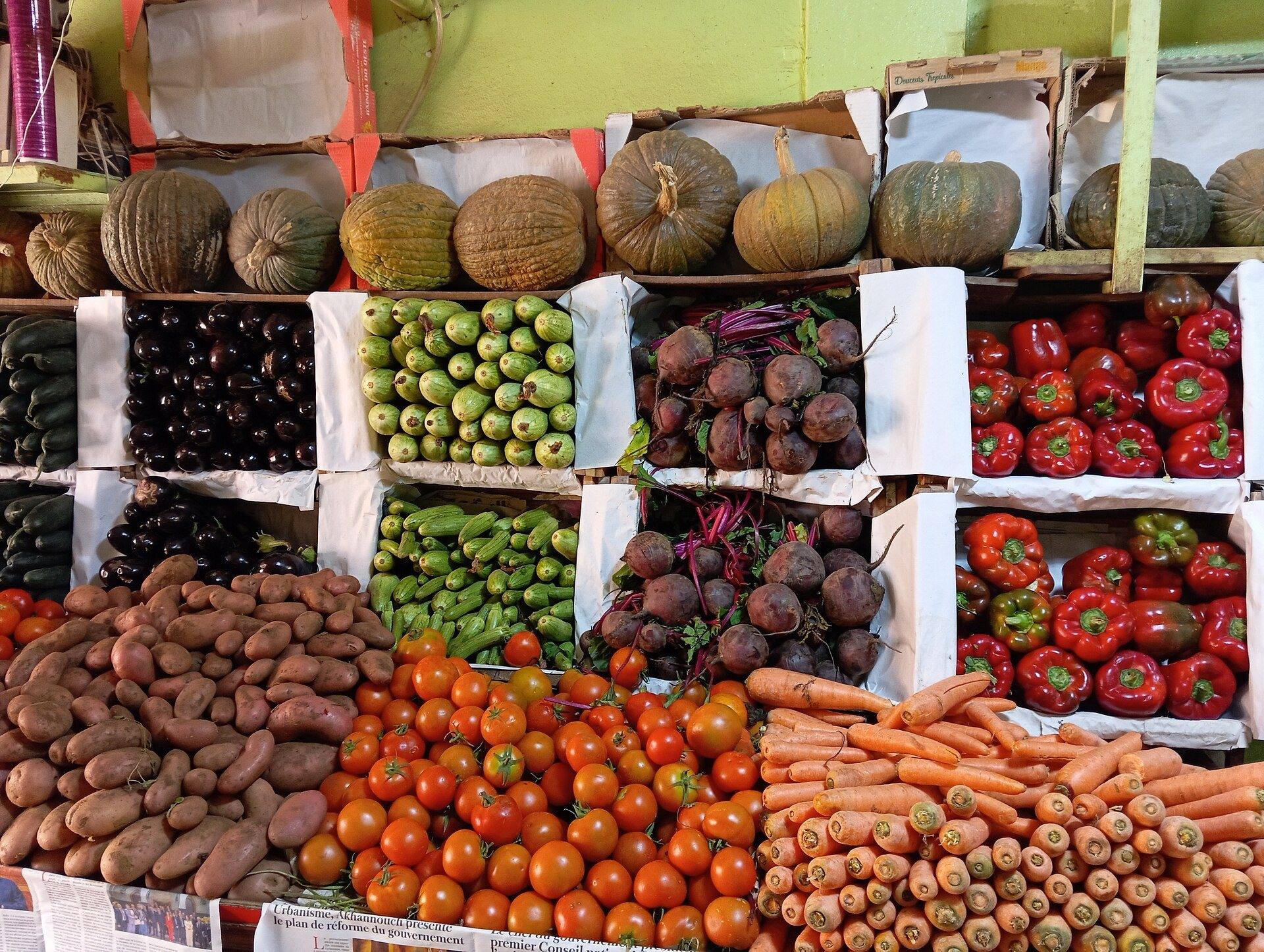
Shop for vegetables, herbs and spices in a local market with your cook, then turn them into a Moroccan meal.
3 to 4 hours
A cooking class just for you, your partner, family or friends, with a menu, time and setting tailored to your group.