Dishes
How to Make Traditional Moroccan Tagine
A step-by-step guide to cooking chicken tagine with preserved lemon and olives, with tips on the pot, the spices, slow cooking and how to cook a tagine without a tagine.
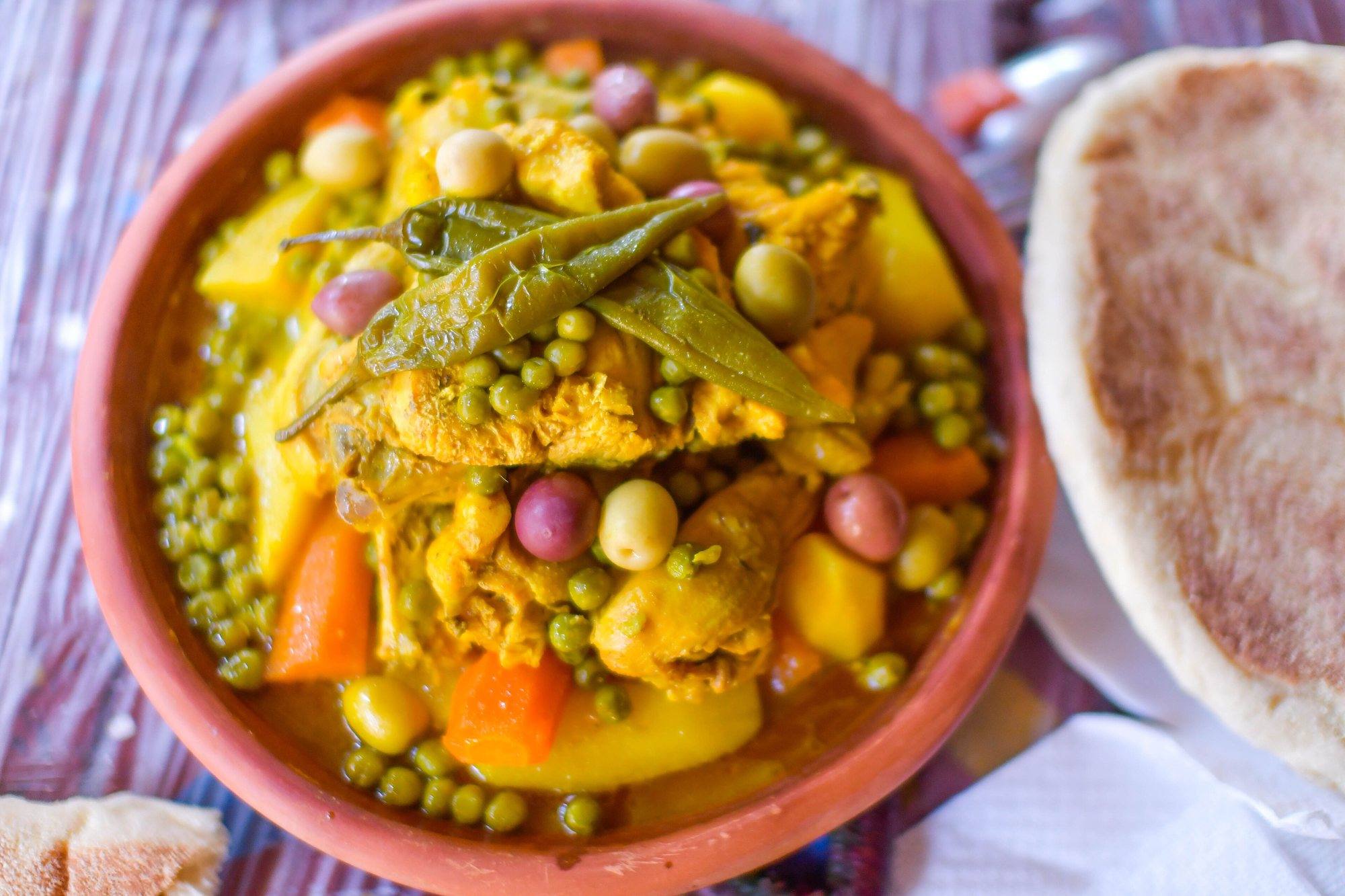
Tagine is the dish most travellers associate with Morocco, and with good reason. Slow-cooked in a clay pot with spices, onions and olive oil, it turns simple ingredients into something deeply comforting. The good news is that it is also very achievable at home.
This guide explains how tagine works and walks you through one of the most loved versions: chicken with preserved lemon and olives.
What is a tagine?
The word refers to both the dish and the pot. A tagine pot has a wide, shallow base and a tall conical lid. As the food cooks, steam rises into the lid, condenses and runs back down, so the ingredients stay moist while the sauce slowly concentrates.
Unglazed or lightly glazed clay tagines are used for cooking; brightly painted ones are usually decorative or for serving.
Choosing and preparing a clay tagine
If you buy a cooking tagine in Morocco:
- Season it before first use. Soak the base and lid in water for a few hours, let them dry, rub the inside with olive oil and heat gently in a low oven. This strengthens the clay.
- Use gentle heat. Clay cracks with sudden temperature changes. On a gas or electric hob, use a heat diffuser and keep the heat low.
- Never put a cold tagine on a hot flame, or pour cold liquid into a hot pot.
In Morocco, tagines are often cooked over charcoal in a small clay brazier called a kanoun, which provides steady, gentle heat.
The spices
Most savoury tagines start with a similar base. For chicken with preserved lemon:
- Ground ginger: warm and gentle.
- Turmeric: for colour and an earthy note.
- Black pepper.
- Saffron: a pinch of threads, soaked in a little warm water.
- Fresh coriander and parsley.
- Garlic and onion: the onion melts into the sauce.
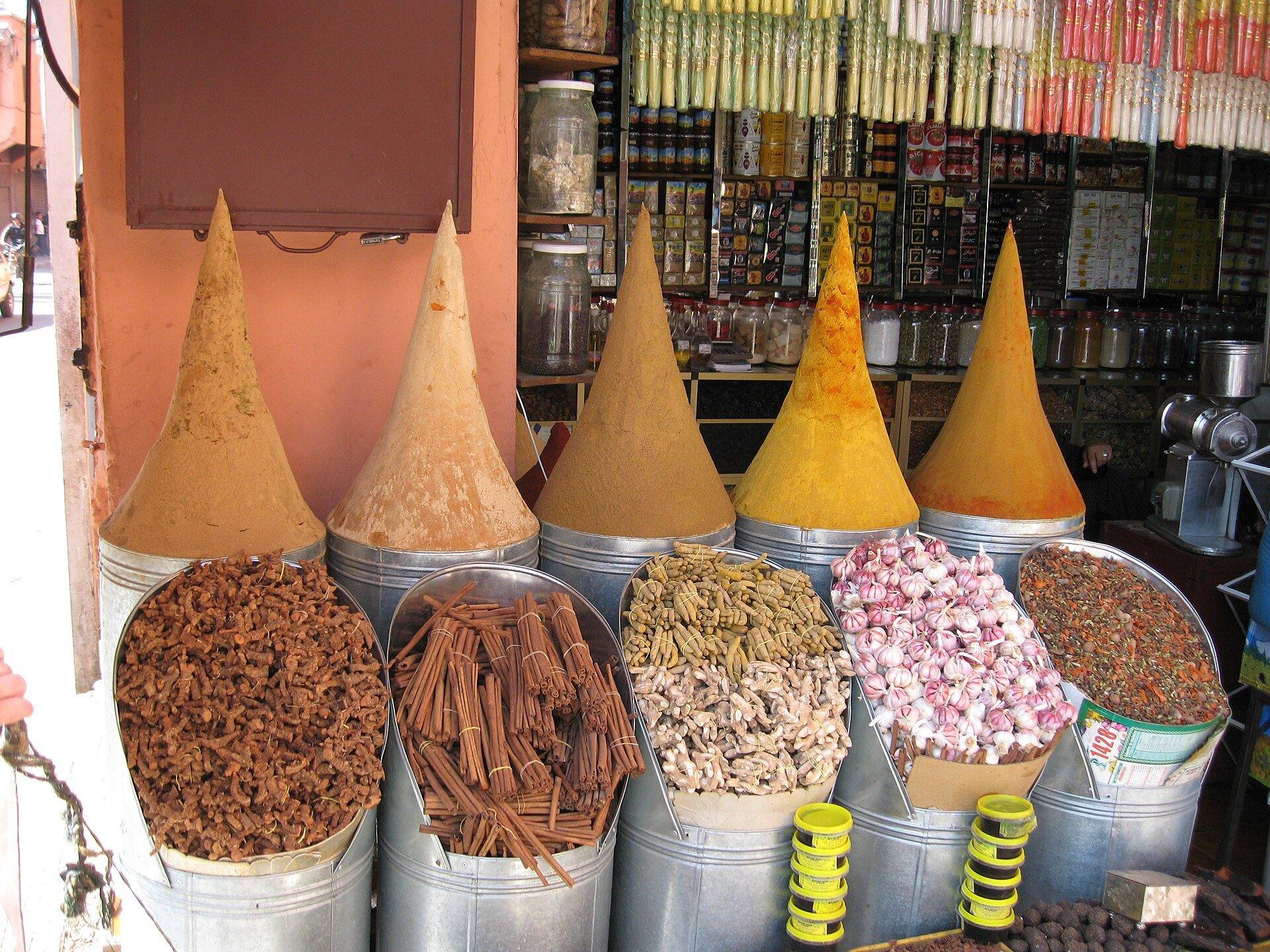
Other tagines use cumin and sweet paprika (kefta, fish), cinnamon (lamb with prunes) or ras el hanout, the shop’s own blend. Read our guide to Moroccan spices for more.
Recipe: chicken tagine with preserved lemon and olives
Serves 4. About 20 minutes of preparation and 1 hour 15 minutes of cooking.
Ingredients
- 1 chicken (about 1.5 kg), cut into 8 pieces, or 8 bone-in chicken thighs
- 2 medium onions, grated or very finely chopped
- 3 garlic cloves, crushed
- 1 teaspoon ground ginger
- 1 teaspoon ground turmeric
- ½ teaspoon freshly ground black pepper
- A generous pinch of saffron threads, soaked in 2 tablespoons of warm water
- 3 tablespoons olive oil
- A small bunch each of fresh coriander and flat-leaf parsley, chopped
- 1 preserved lemon, rinsed (use the peel only, cut into strips)
- 150 g green or violet olives, rinsed
- About 250 ml water
- Salt, to taste (go easy: preserved lemons and olives are salty)
Method
- Marinate. In a large bowl, mix the garlic, ginger, turmeric, pepper, saffron and its water, olive oil and half the herbs. Add the chicken and coat well. If you have time, leave it for an hour in the fridge.
- Build the base. Spread the onions over the base of the tagine or a heavy casserole. Arrange the chicken on top, skin side up, and scrape any remaining marinade over it.
- Add water and cook slowly. Pour the water around the chicken, cover, and cook over low heat (with a diffuser if using clay) for about one hour. Check from time to time and add a splash of water if it looks dry.
- Add the lemon and olives. Scatter the preserved lemon peel and olives over the chicken, cover again and cook for another 15 minutes.
- Finish the sauce. The onions should have melted into a thick, golden sauce. If it is too thin, cook uncovered for a few minutes. Taste and adjust the salt.
- Serve. Scatter with the remaining herbs and bring the tagine to the table. Eat with fresh bread, such as khobz.
How to cook tagine without a tagine
You do not need the clay pot. A heavy casserole or Dutch oven with a tight-fitting lid works very well. Keep the heat low and the lid on, and check the liquid regularly. You can also cook it covered in the oven at around 160°C.
Tips from Moroccan kitchens
- Do not rush. Gentle, slow heat is what makes a tagine tender.
- Grate the onions for a smoother sauce that coats the meat.
- Arrange, do not stir. Tagines are built in layers; stirring breaks them up.
- Preserved lemon is essential for this version. You can make your own by packing quartered lemons with salt in a jar and leaving them for about a month.
- Bread is your cutlery. Tear off a piece and use it to scoop up chicken and sauce.
Other tagines to try
Once you know the method, the variations are endless:
- Lamb or beef with prunes and almonds, sweet with cinnamon and honey.
- Kefta with tomato and eggs, quick and family-friendly.
- Fish with chermoula, a coastal speciality from places like Essaouira.
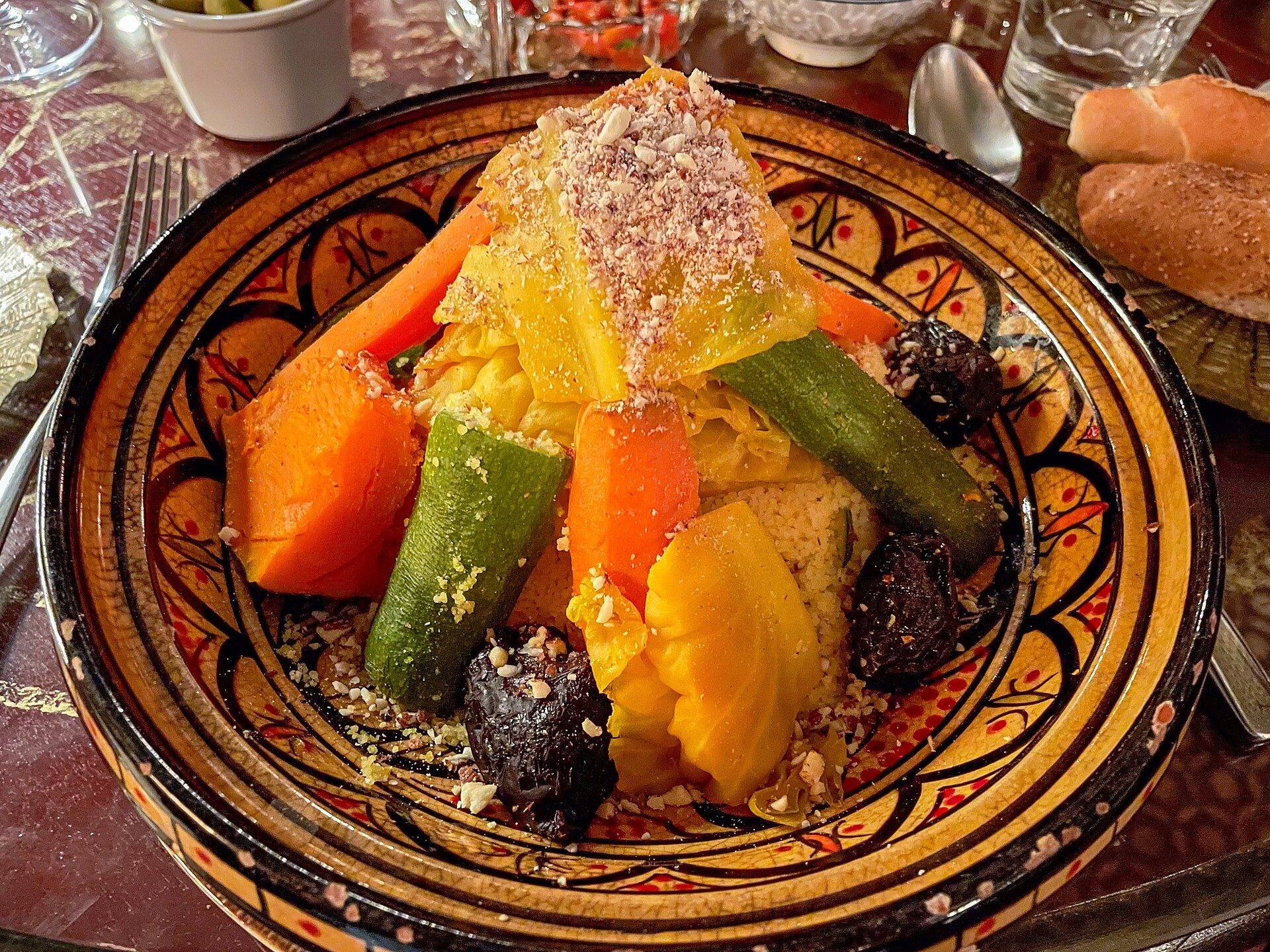
- Seasonal vegetables, arranged in a peak, ideal for vegetarian cooking.
Learn it in Morocco
Can tourists learn to make a traditional Moroccan tagine? Absolutely. It is one of the most rewarding dishes to learn with a local cook, who will show you the small gestures no recipe captures. Explore our tagine cooking class and tell us where you would like to cook.