Dishes
10 Traditional Moroccan Dishes Every Traveller Should Try
From tagine and couscous to pastilla, tanjia and harira: the essential Moroccan dishes, what they are, where to find them and which ones you can learn to cook.
Moroccan cuisine is one of the great food traditions of the world, shaped by Amazigh (Berber), Arab, Andalusian, Jewish and Mediterranean influences. Meals are generous, shared and built on a careful balance of spices, slow cooking and fresh produce.
Here are ten dishes worth seeking out on your trip, and a few tips on where to find them.
1. Tagine
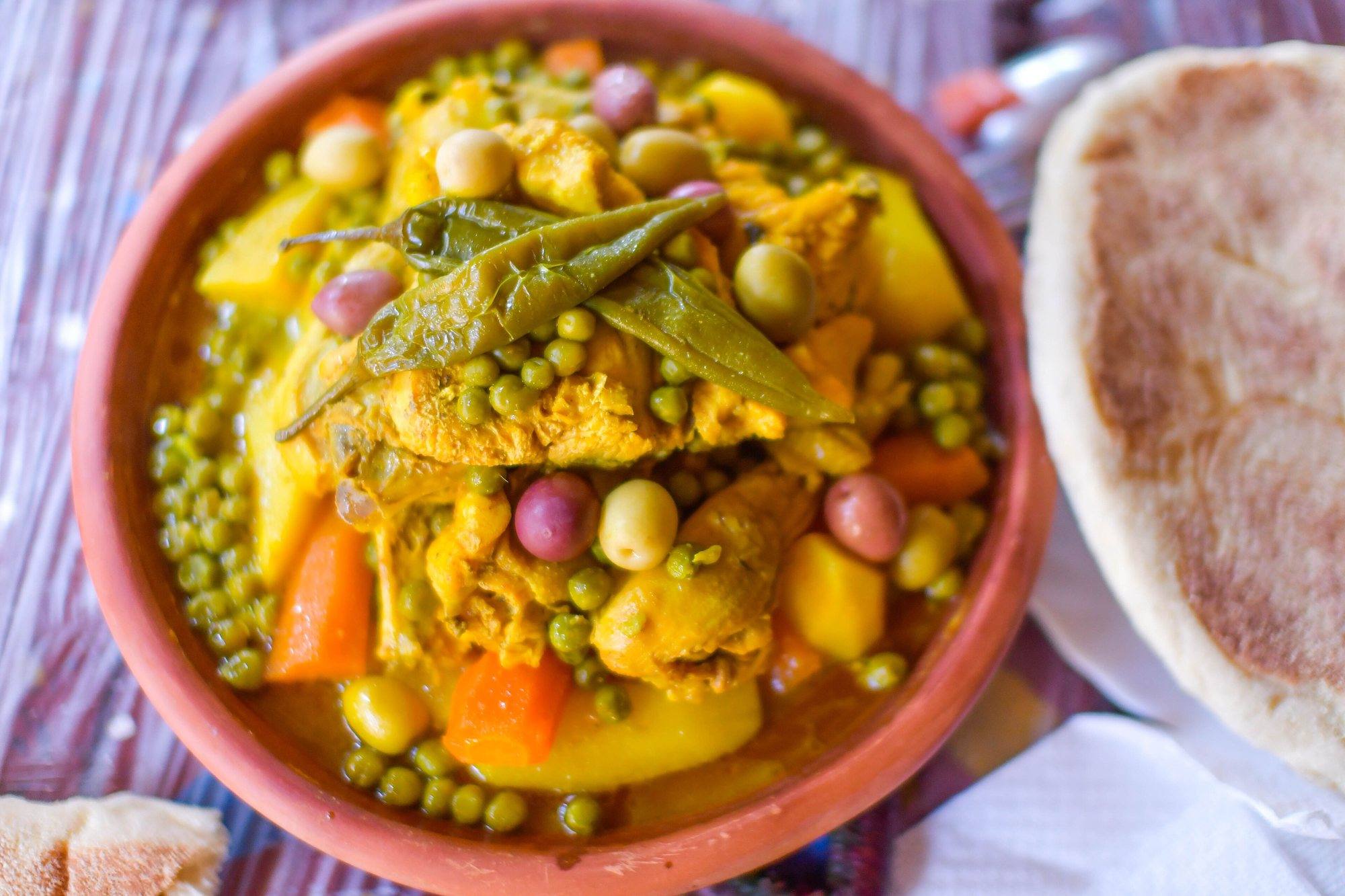
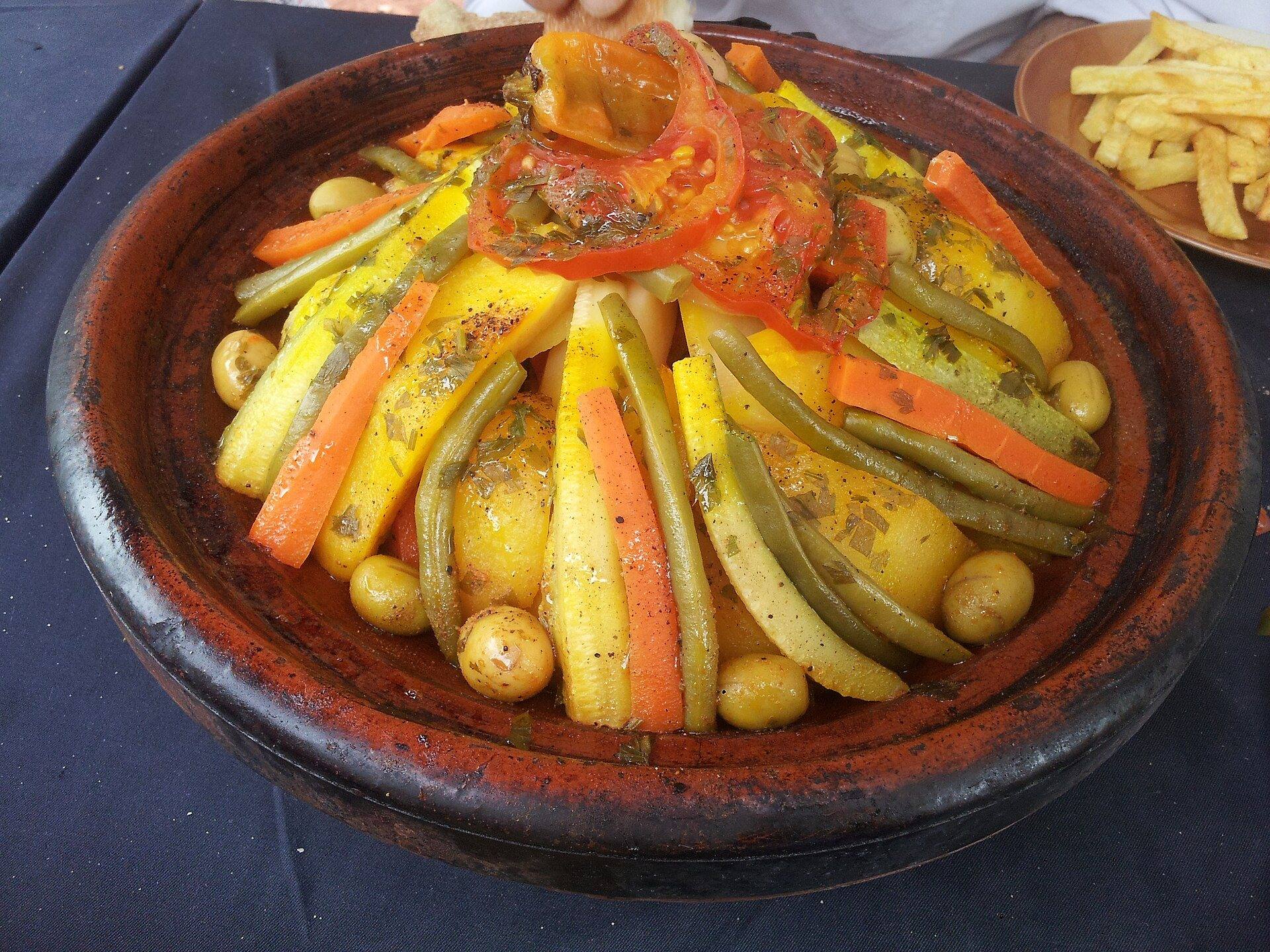
The tagine is both a dish and the conical clay pot it is cooked in. Meat, fish or vegetables simmer slowly with spices, onions and olive oil, while steam rises into the lid and drips back down, keeping everything tender.
Classic versions include chicken with preserved lemon and olives, lamb or beef with prunes and almonds, kefta (spiced meatballs) with eggs, and fish with chermoula. Tagine is always eaten with bread, which is used to scoop up the sauce.
Learn it: a tagine cooking class is one of the most popular experiences in Morocco. Read our guide on how to make a traditional Moroccan tagine.
2. Couscous
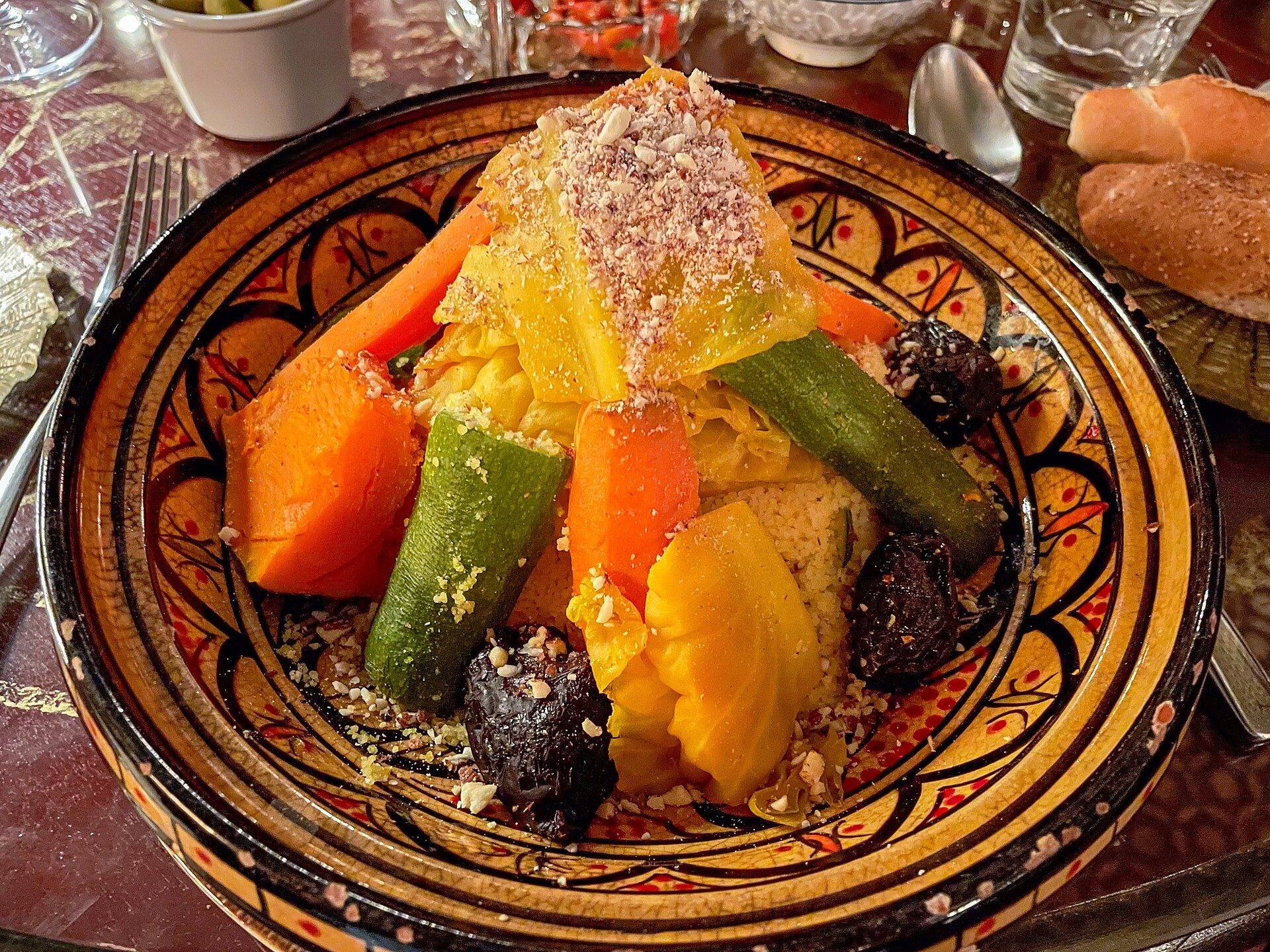
Couscous is steamed semolina grain, served in a large shared dish with a broth of vegetables and often meat or chickpeas. In many families it is the centre of Friday lunch. The most famous version is seven-vegetable couscous; couscous tfaya adds a sweet topping of caramelised onions and raisins.
In 2020, the knowledge and practices around couscous were inscribed by UNESCO as intangible cultural heritage, following a joint nomination by Algeria, Mauritania, Morocco and Tunisia.
Learn it: in a couscous workshop, and read about the secrets of Moroccan couscous.
3. Pastilla
Pastilla (or bastilla) is a celebration dish: layers of paper-thin warqa pastry filled with spiced pigeon or chicken, eggs and fried almonds, baked until crisp and dusted with cinnamon and sugar. The sweet and savoury combination is characteristic of the refined cooking of Fes. On the coast you will also find seafood pastilla.
4. Harira
Harira is a hearty soup of tomatoes, lentils, chickpeas, herbs and often a little meat, thickened at the end. It is closely associated with Ramadan, when it is traditionally served to break the fast, often with dates and chebakia, but you can find it all year round.
5. Tanjia
Tanjia is the signature dish of Marrakech. Beef or lamb is packed into a tall clay urn with preserved lemon, garlic, cumin, saffron and smen (aged butter), then traditionally left to cook for hours in the embers of a hammam furnace. The result is meltingly tender, deeply flavoured meat.
6. Rfissa
Rfissa is comfort food for special occasions: shredded msemen or trid pastry soaked in a broth of chicken, lentils and fenugreek, flavoured with ras el hanout. It is often prepared to celebrate a birth or a family gathering, and is popular in Casablanca and across the country.
7. Zaalouk and the cooked salads
A Moroccan meal often opens with a spread of cooked salads. Zaalouk is smoky aubergine cooked down with tomato, garlic and cumin; taktouka is a mixture of grilled peppers and tomatoes; carrot salad is seasoned with cumin and orange blossom or lemon. They are perfect with bread and naturally vegetarian.
8. Bissara
Bissara is a thick, warming soup or dip of dried fava beans, finished with olive oil, cumin and paprika. It is a popular breakfast in the north, especially in Chefchaouen and Tangier, and one of the most affordable and satisfying things you can eat.
9. Msemen and baghrir
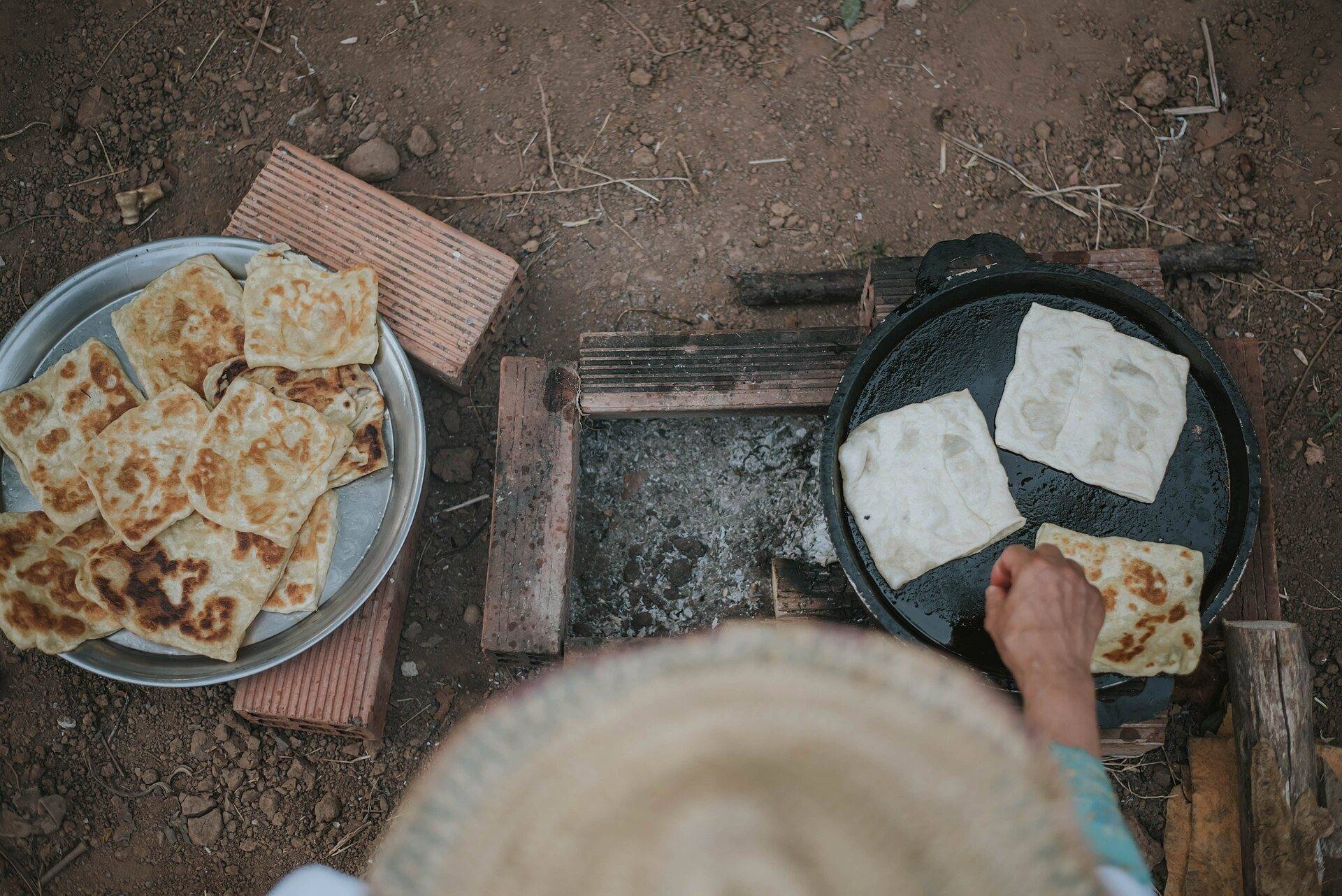
Moroccan breakfasts are built around bread. Msemen are square, flaky flatbreads folded with butter and cooked on a griddle; baghrir are “thousand-hole” semolina pancakes. Both are served with honey and butter, or with amlou, a spread of almonds, argan oil and honey from the south.
Learn it: in a bread-making experience.
10. Mint tea and Moroccan pastries
No list would be complete without mint tea, or atay, offered to every guest. It usually comes with something sweet: chebakia (sesame cookies soaked in honey), kaab el ghazal (gazelle horns filled with almond paste) or ghriba cookies.
Learn it: in a mint tea experience or a pastry class.
A few tips for eating in Morocco
- Eat with bread. Use a piece of bread, held in your right hand, to pick up food from a shared dish.
- Eat from your section. When sharing a tagine or couscous, eat from the part of the dish in front of you.
- Accept the tea. Mint tea is a gesture of hospitality, and it is polite to accept at least one glass.
- Friday is couscous day. It is the best day to find couscous in homes and local restaurants.
The best way to understand these dishes is to cook them with someone who grew up eating them. Tell us what you would like to learn and we will find the right experience for you.